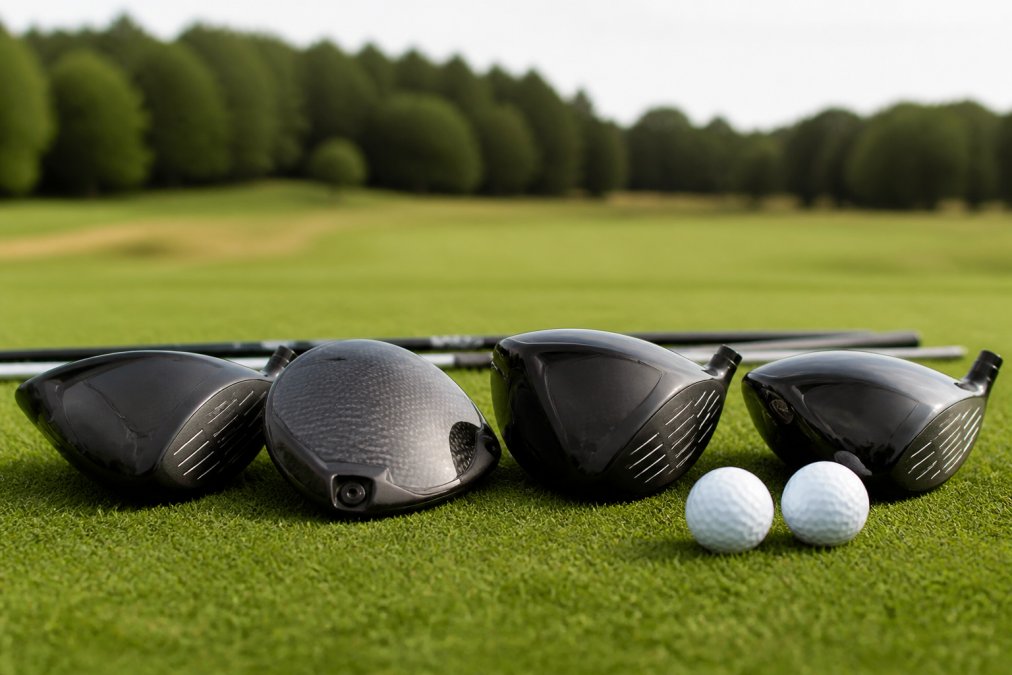
 blog
blog
Best Golf Driver for Distance 2026: Top Picks & Fitting
Table of Contents
- What Makes a Driver Long in 2026
- Best Low Spin Drivers 2026: Head-to-Head
- How to Increase Driver Swing Speed
- Golf Driver Custom Fitting Benefits
- Matching the Driver to Your Handicap and Swing Speed
- Ball Choice, Durability and Resale Value
- Frequently Asked Questions
Last Updated: September 15, 2026
What Makes a Driver Long in 2026
The best golf driver for distance 2026 is not the one with the loudest marketing claim. It is the head and shaft combination that produces your highest ball speed with a launch angle and spin rate that keep the ball in the air long enough to land far away. At Major Golf Direct, our PGA Professionals see this every week: two golfers with identical swing speeds walk out with different drivers, because their delivery into the ball is different.
Distance comes from a chain of four numbers. Break one link and the whole thing collapses.
Ball speed, launch angle and spin rate
Ball speed is the speed of the golf ball immediately after impact, and it is the single biggest driver of distance. It depends on clubhead speed and how efficiently you transfer energy at impact, which fitters call smash factor.
Launch angle and spin rate then decide what happens to that speed. Too little launch and the ball lands short; too much spin and it climbs, stalls, and drops; too little spin and it falls out of the air early. The window that maximises carry shifts with your clubhead speed, which is why a slow swinger and a fast swinger need different loft and shaft profiles.
R&A Equipment Standards governs conforming clubheads, so anything sold by a reputable retailer will sit within legal limits. The gains come from matching the club to you, not from chasing a hotter face.
Moment of inertia and off-centre hits
Moment of inertia is a measure of how much a clubhead resists twisting when you strike the ball away from the sweet spot. Higher MOI means less speed loss and less dispersion on off-centre hits.
Nobody finds the centre every time. A driver with strong perimeter weighting keeps ball speed up and curvature down on heel or toe strikes, which is why forgiveness and distance are not opposites. Modern heads use low, deep centre of gravity and aerodynamic shaping to hold speed through the swing.
Best Low Spin Drivers 2026: Head-to-Head
Low spin drivers suit golfers who create too much backspin and see the ball balloon. If your drives climb steeply and fall short, a lower-spinning head paired with the right shaft can add real carry. But "low spin" only works inside a specific window of clubhead speed and delivery.
Rather than rank models by name, judge any low spin head against these criteria, then read the swing-speed notes underneath, because the same head behaves very differently at 85 mph and 110 mph.
| Priority | What to Look For | Why It Matters |
|---|---|---|
| Ball speed | High smash factor on centre strikes | Direct distance gain |
| Spin control | Adjustable CG or moveable weights | Tunes trajectory to your swing |
| Forgiveness | High MOI, perimeter weighting | Protects speed on mishits |
| Adjustability | Loft and lie settings | Fine-tunes launch and shot shape |
| Shaft options | Multiple flex and weight profiles | Matches your tempo and speed |
The swing-speed matrix competitors skip
Most guides test one swing speed and generalise, the biggest flaw in distance content, because spin and launch requirements change dramatically across the speed bands. Use this as your starting filter before you look at any model.
| Clubhead Speed | Typical Handicap | Loft Starting Point | Spin Target | Head Priority |
|---|---|---|---|---|
| Under 90 mph | Mid to high | 12°-13.5° | Higher spin to keep the ball airborne | Max MOI, draw bias, lightweight shaft |
| 90-105 mph | Low to mid | 10.5°-12° | Mid spin, prioritise carry | Balanced low-forward CG, adjustable weights |
| 105 mph+ | Low | 8°-10.5° | Lower spin to stop ballooning | Low-spin, forward CG, workable face |
A slower swinger who buys a tour-style low-spin head loses carry, because the ball lacks the speed to stay airborne with reduced spin. Equally, a fast swinger in a high-spin, high-loft head sees the ball climb and stall, giving up 15-25 yards of carry.
What actually separates the low-spin heads
When you compare models, look past the marketing and check these mechanisms:
- Centre of gravity position. Forward CG reduces spin but also reduces MOI; rear CG raises MOI but adds spin. The best heads for most golfers sit slightly forward of centre with perimeter weighting to claw back forgiveness.
- Moveable weights. A sliding or interchangeable weight shifts CG to tune spin by a few hundred rpm without changing your swing, the most useful adjustability feature for distance.
- Face technology. Variable face thickness holds ball speed on off-centre strikes. Ask about smash factor retention on heel and toe hits, not just centre.
- Loft sleeve. A sleeve that changes loft and lie by a degree or two beats a fixed hosel, because launch angle is the second-biggest lever after ball speed.
The ball link most guides ignore
Ball compression interacts directly with the spin a head produces. A low-spin head with a low-compression ball can fall out of the air for a slower swinger, while a high-spin head with a firm, low-spinning ball can balloon for a faster swinger. Test shortlisted heads with the ball you actually play, not the range ball. If you are between balls, mid-compression is the safest match for the 90-105 mph band.
R&A Equipment Standards governs conforming clubheads, so anything sold by a reputable retailer will sit within legal limits. The gains come from matching the club and ball to you, not from chasing a hotter face.
How to Increase Driver Swing Speed
Increasing driver swing speed comes from three places: better mechanics, better physical conditioning, and a shaft that matches your tempo. You cannot buy clubhead speed, but you can train it.
Start with technique. Trying to swing harder from the top tightens your grip and costs you speed; speed comes from a smooth transition and releasing the club through impact. Most golfers gain more from fixing an early cast than from any new club.
Then look at the shaft. Too stiff or heavy forces you to work harder; too light or soft costs control.
Golf Driver Custom Fitting Benefits
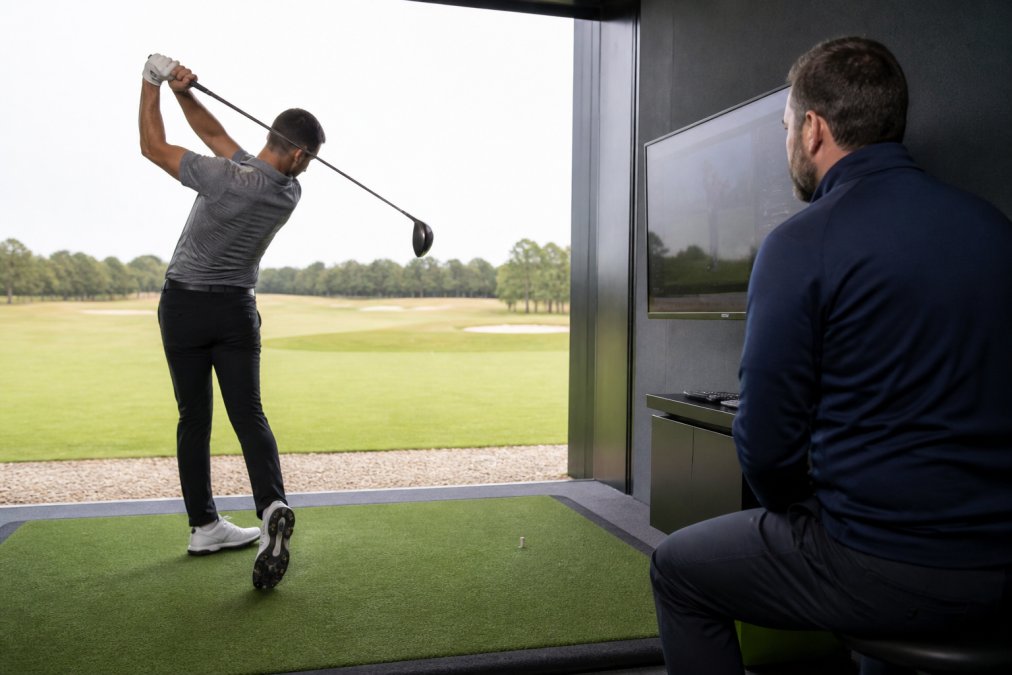
The main golf driver custom fitting benefit is simple: you stop guessing.
Matching the Driver to Your Handicap and Swing Speed
The right driver depends far more on your swing speed and handicap than on brand.
Low handicap and high swing speed (105 mph+)
Faster swings with a repeatable strike can handle lower loft and lower spin.
Mid handicap and mid swing speed (90-105 mph)
This is the largest group of golfers and the one most poorly served by generic advice.
High handicap and slower swing speed (under 90 mph)
| Golfer Type | Loft | Shaft | Head Priority | Ball Match |
|---|---|---|---|---|
| Low handicap, 105 mph+ | 8°-10.5° | 60-75 g, stiff/extra-stiff | Low spin, workability | Firmer, lower spin |
| Mid handicap, 90-105 mph | 10.5°-12° | 50-65 g, regular/stiff | Balance of speed and forgiveness | Mid compression |
| High handicap, under 90 mph | 12°-13.5° | 45-55 g, senior/regular | Max forgiveness, high MOI | Lower compression |
Why the ball belongs in this table
Most distance guides test drivers with a single ball and never mention it.
Durability and resale: the long game
Two things most distance guides ignore are how the club holds up over a season and what it is worth in three years.
Ball Choice, Durability and Resale Value
Two things most distance guides ignore: the ball you play and what the club is worth in three years.
Frequently Asked Questions
Which 2026 driver is the longest?
There is no single longest driver for every golfer. Total distance comes from ball speed, launch angle and spin rate working together, and the right combination depends on your clubhead speed and strike pattern. A low spin driver may add carry for a fast swinger but cost distance for someone who hits down on the ball. Testing on a launch monitor is the only way to see which model actually gives you the longest total distance.
How does custom fitting improve driver distance?
Custom fitting matches loft, shaft flex, swing weight and lie angle to your swing so you stop losing distance to poor launch conditions. A shaft that is too stiff or too soft changes your delivery, and the wrong loft sends the ball out on a trajectory that costs carry. Trackman 4 data shows exactly how each change affects ball speed, spin rate and dispersion, so adjustments are based on numbers rather than guesswork.
What is the most forgiving distance driver?
Forgiveness comes from high moment of inertia and perimeter weighting, which keep ball speed up on off-centre hits. Drivers with a deeper centre of gravity and a larger clubhead profile lose less distance on toe and heel strikes, which matters most for mid and high handicap players. Pair a forgiving head with a mid-launch shaft and you keep both carry distance and dispersion under control.
Can a different golf ball really add driver distance?
Yes. Ball choice affects spin rate and launch angle off the driver, so a lower spinning ball can add carry for a fast swinger while a softer, higher spinning ball may suit a slower swing speed. The gain is usually modest, but it is free distance once your driver is fitted. Test two or three balls on a launch monitor and compare carry and total distance before committing.
Distance off the tee is not about buying the longest driver on the shelf. It is about matching ball speed, launch, and spin to your swing, and that requires measurement. Book a fitting with Major Golf Direct and our PGA Professionals will use Trackman 4 technology in our private studios to find the driver that genuinely adds carry, backed by our Price Match Guarantee, 0% Interest Free Finance, and free delivery on orders over £50.