 ultimate-guide
How to Choose Golf Ball Type: A Golfer's Guide
Table of Contents
- Understand Golf Ball Construction and Layers
- How Golf Ball Compression Affects Your Game
- Urethane vs Surlyn Golf Balls: Which Cover Material Suits You
- Match Your Swing Speed and Handicap to the Right Ball
- Best Golf Balls for High Handicappers
- Spin Rate, Feel, and Short Game Control
- Distance vs Control: Finding Your Balance
- Frequently Asked Questions
Last Updated: September 21, 2026
Understand Golf Ball Construction and Layers
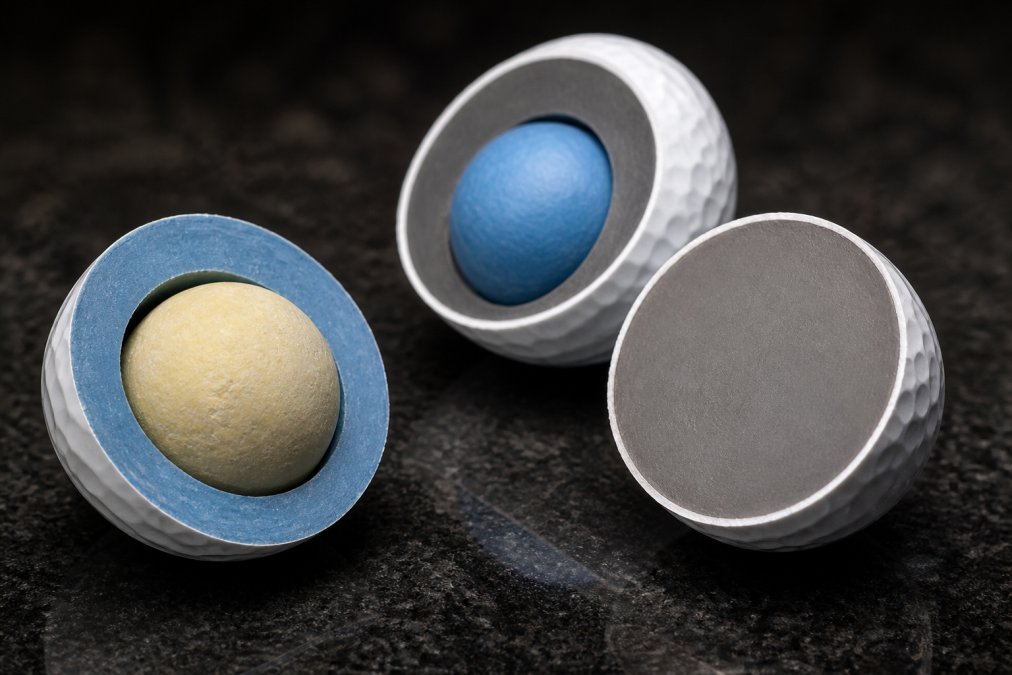
Golf ball construction determines how the ball behaves off the club face and around the green. The internal structure is as important as cover material when you choose a golf ball type.
Modern golf balls feature three or four layers: the core (influencing ball speed and energy transfer), the mantle layer (affecting spin and feel), and the cover (providing durability and greenside control).
A softer core produces a softer feel; a firmer core generates more ball speed. The mantle layer influences spin with irons and wedges.
At Major Golf Direct, the Srixon Soft Feel Golf Balls feature a FastLayer Core for comfort and distance, whilst the Srixon Z-Star Gen 9 delivers exceptional feel and maximum approach shot spin.

Beginners benefit from two-piece balls; intermediate and advanced players prefer three-piece designs for more control.
How Golf Ball Compression Affects Your Game
Compression rating measures the ball's resistance to deformation and directly links to swing speed and feel when you choose a golf ball type.
Lower compression balls (70-80) suit swing speeds under 85 mph. Medium compression (80-90) works for 85-95 mph. Higher compression (90+) requires faster swing speeds.
If your swing speed is too slow for a high-compression ball, it won't compress fully, losing distance and consistency. Using a low-compression ball with a fast swing speed wastes potential.
Feel is subjective: some prefer the softer sensation of lower compression; others want firmer feedback. Match compression to your personal preference and swing speed.
Professional fitting with Trackman 4 technology at Major Golf Direct measures your swing speed and launch characteristics, removing guesswork from compression selection.
Urethane vs Surlyn Golf Balls: Which Cover Material Suits You
The cover material fundamentally changes how a golf ball performs, particularly around the green. Urethane and Surlyn (ionomer resin) are the two dominant cover materials, each with distinct advantages.
Urethane covers offer superior greenside spin and stopping power through better responsiveness to club grooves. Tour professionals and low-handicappers prefer urethane for short game precision, though it scuffs more easily and requires frequent replacement.
The Srixon Z-Star Gen 9 features a premium urethane cover with Spin Skin+ coating for maximum greenside spin and wedge interaction.
Surlyn covers prioritise durability and distance. They're harder and more resistant to scuffing, offering better value for high handicappers. Modern formulations have narrowed the spin gap with urethane.
The Callaway Supersoft Golf Balls use a hybrid cover balancing soft feel with durability.

Choose urethane for maximum short game control if you play frequently; choose Surlyn for durability and value if you're developing swing consistency.
Match Your Swing Speed and Handicap to the Right Ball
Swing speed is the primary technical factor when you choose a golf ball type, determining optimal ball performance.
Golfers with swing speeds under 85 mph (typically 15+ handicap) benefit from low-compression balls prioritising forgiveness and distance consistency.
Mid-range swing speeds (85-95 mph) work with medium compression balls offering balanced distance and control.
Swing speeds above 95 mph suit high-compression balls for maximum performance.
High handicappers benefit from consistency and forgiveness; mid-handicappers handle moderate spin control; low-handicappers want maximum spin and precision.
Environmental Factors That Shift Your Optimal Ball Choice
Whilst swing speed and handicap form the foundation of ball selection, environmental conditions significantly alter how any given ball performs. Temperature, humidity, altitude, and seasonal variation all affect ball compression and flight characteristics, factors most golfers overlook when choosing a ball type.
Temperature impact on compression: Compression ratings are standardised at 20°C (68°F). Cold temperatures stiffen the core (a 80-compression ball may behave like 90-compression at 10°C), whilst warmth softens it. Winter play may require lower-rated compression; summer play may require higher-compression to maintain consistent performance.
Humidity and air density: Dry air allows balls to travel 2-3 yards further than humid conditions. Humid conditions slightly soften cover material, increasing spin rates. Account for these variations when selecting a ball for year-round play.
Altitude variation: Higher altitudes increase carry distance by 5-8 yards due to lower air density. If you play at different elevations, select a ball performing adequately across both rather than optimising for one.
Seasonal and regional consistency: Many golfers use softer-compression balls in winter, switching to medium or higher-compression in summer. Alternatively, select a medium-compression ball performing adequately across seasons.
Fitting Methodology That Accounts for Environmental Variables
Professional fitting at Major Golf Direct uses Trackman 4 technology to measure swing speed, launch angle, and spin characteristics. Communicate the conditions where you play most frequently for optimal recommendations.
Fitting in your primary playing conditions provides the most relevant data. For year-round or multi-region play, identify a ball performing adequately across your typical conditions.
Best Golf Balls for High Handicappers
High handicappers (15+) benefit from balls emphasising distance, forgiveness, and durability.
The Srixon Soft Feel Golf Balls suit high handicappers well, with a soft FastLayer Core delivering comfortable feel on off-centre hits and consistent distance at £22.95 per dozen.
The Callaway Supersoft Golf Balls offer increased ball speed with soft feel and a hybrid cover balancing greenside spin with durability.

For high handicappers, durability and forgiveness matter more than tour-level spin control. Surlyn-covered or hybrid covers provide better forgiveness than pure urethane.
Trackman 4 fitting at Major Golf Direct identifies whether your swing speed suits low or medium compression.
Spin Rate, Feel, and Short Game Control
Spin rate measures how many revolutions per minute the ball rotates after impact. Different clubs generate different spin rates, and understanding this relationship helps you choose a golf ball type strategically.
Driver spin rates typically range from 2,000 to 3,500 rpm. Higher driver spin can cause ballooning and reduce distance, whilst lower spin produces a flatter trajectory and more roll. Most golfers benefit from moderate driver spin that balances carry distance with control.
Iron and wedge spin rates are where ball choice becomes critical. Premium urethane-covered balls generate significantly higher spin rates with mid-irons and wedges compared to Surlyn alternatives. This higher spin translates to better stopping power on approach shots and more control around the green.
Understanding 'Feel' Beyond Subjectivity
Whilst feel is often described as purely personal preference, it's rooted in measurable physical properties. When you strike a golf ball, two distinct sensory signals reach your hands and brain: acoustic feedback (the sound at impact) and tactile feedback (the vibration and compression sensation).
Acoustic feedback varies significantly by cover material and compression. Urethane covers produce a crisper, higher-pitched sound at impact because the material is softer and responds more quickly to club grooves. Surlyn covers generate a duller, lower-pitched sound because the harder material compresses more slowly. Low-compression balls produce a softer, more muted sound across all clubs; high-compression balls create a sharper, more pronounced click. These acoustic differences aren't subjective, they're measurable in decibels and frequency, but your brain interprets them as 'soft' versus 'firm' feel.
Tactile feedback comes from how the ball deforms and rebounds in your hands during the swing. Softer cores (lower compression) allow greater deformation, creating a sensation of the ball "giving" under the club face. This feels more forgiving on off-centre strikes because the ball compresses more uniformly across the impact zone. Firmer cores (higher compression) deform less, creating a sensation of immediate rebound and energy transfer. Low-handicap golfers often prefer this feedback because it provides clearer information about strike quality; high-handicappers often prefer the forgiving sensation of softer compression because it masks the consequences of off-centre contact.
Matching Feel to Your Skill Level
High handicappers (15+) typically benefit from softer acoustic and tactile feedback. Low-compression balls with Surlyn covers produce a muted, forgiving sound and sensation that feels more comfortable on mishits. The softer feedback masks inconsistency rather than punishing it.
Mid-handicappers (5-14) often prefer medium compression with hybrid or urethane covers. This range provides enough acoustic clarity to distinguish good strikes from poor ones, whilst maintaining reasonable forgiveness. The crisper sound and firmer tactile response help you develop swing awareness without overwhelming your hands.
Low-handicappers and professionals (0-4) typically seek the sharpest acoustic and tactile feedback available.
Short Game Control and Spin Interaction
Short game control, the ability to stop the ball quickly on the green, depends on both spin rate and how the cover material interacts with club grooves. Urethane covers grip wedge grooves more effectively because the softer material allows the grooves to dig deeper into the cover surface. This creates higher friction and more spin. Surlyn covers, being harder, allow less groove penetration, resulting in lower spin rates even with identical swing mechanics.
Distance vs Control: Finding Your Balance
Most golfers face a fundamental tension: maximising distance off the tee or maximising control around the green. No single ball excels equally at both. Understanding this trade-off helps you choose a golf ball type aligned with your priorities.
Frequently Asked Questions
How do I know which golf ball type is right for me?
The right ball depends on three factors: your swing speed, handicap, and game priorities. Slower swing speeds (under 85 mph) suit two-piece balls with lower compression for distance. Higher swing speeds (90+ mph) benefit from three-piece construction with urethane covers for control. High handicappers gain most from forgiving two-piece designs, while skilled players prefer premium balls offering spin control. Test different types during practice rounds to find what feels best and produces consistent results.
What does golf ball compression mean, and why does it matter?
Compression measures how much a ball deforms at impact. Lower compression (70-80) suits slower swing speeds, compressing easily for better distance. Higher compression (90+) requires faster swing speeds to compress fully and perform optimally. Using the wrong compression wastes energy—a slow swing won't compress a high-compression ball properly, losing distance. Matching compression to your swing speed ensures you get maximum distance and control from every shot.
Can high handicappers use premium tour-level golf balls?
High handicappers can use premium balls, but they won't gain the same advantage as skilled players. Tour-level balls like the Srixon Z-Star Gen 9 require consistent swing mechanics to unlock their spin and control benefits. High handicappers typically see better results with forgiving two-piece designs offering distance and durability. However, if you prefer the feel of premium balls and budget allows, using them won't harm your game—you'll just not maximise their performance features designed for lower handicaps.
Does swing speed really dictate which golf ball I should play?
Yes, swing speed is one of the most important factors. It determines compression rating and construction type needed for optimal performance. Slower swing speeds need softer, lower-compression balls that compress easily at impact, maximising distance. Faster swing speeds require firmer, higher-compression balls to prevent over-compression and maintain control. Using a ball matched to your swing speed ensures you're getting the ball flight, spin rate, and distance your swing actually produces rather than fighting against the ball's design.